Decoding Your Digital Footprint: What Your Searches Reveal About You
In today's digital age, our online behavior leaves a significant digital footprint that can reveal a lot about our interests, preferences, and even personal values. From the moment we perform a search to the time we engage with social media, every click and scroll contributes to a larger picture of our online identity. For instance, your search history can indicate not only what topics you're interested in but also how you prioritize information. Understanding this can help you manage your online presence effectively and make informed decisions about the content you consume.
Moreover, decoding your digital footprint involves recognizing the subtle patterns hidden in your online activity. Search queries can be categorized into various areas such as health, entertainment, and shopping, each showcasing different facets of your life. By reflecting on these patterns, you can gain insights into your habits and make proactive changes if necessary. For example, if you notice a high frequency of searches related to certain products or services, it might be time to evaluate your spending habits or explore healthier interests. This self-awareness not only enhances your personal growth but also encourages a mindful approach to your digital interactions.
The Psychology of Search: Understanding Your Online Queries
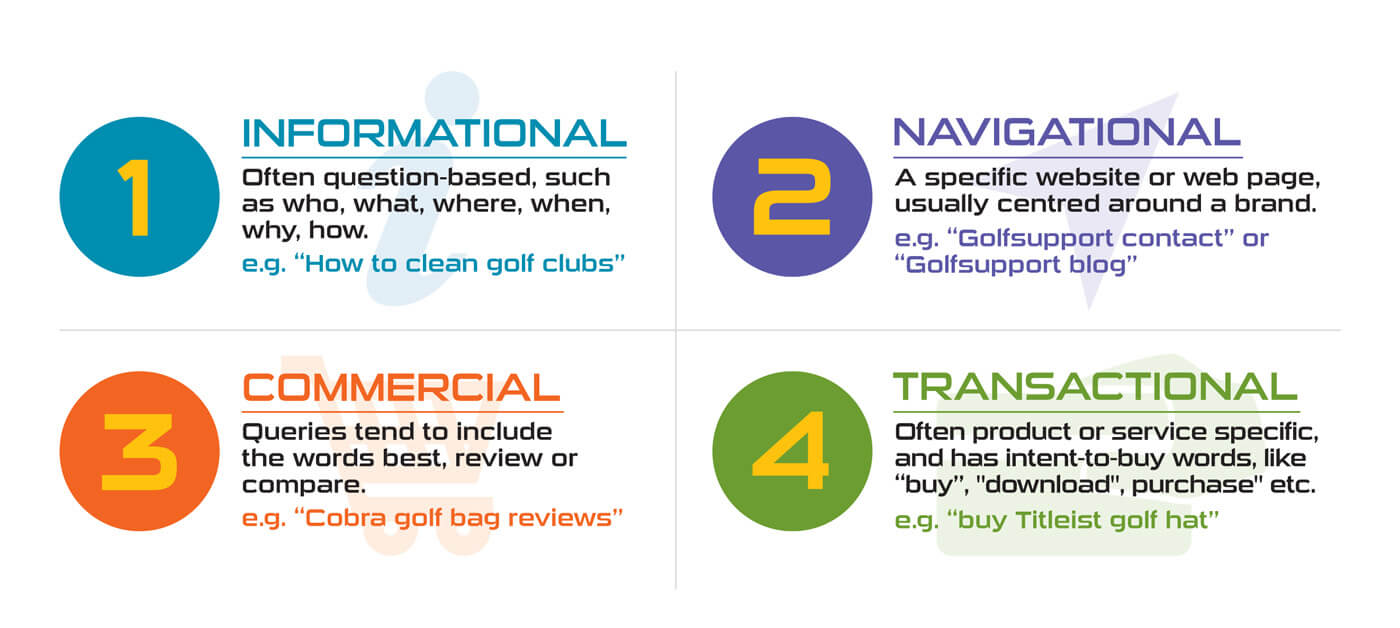
The psychology of search delves deep into the motivations and thought processes behind our online queries. When users input a search term, they are often driven by a specific goal, whether it’s to find information, purchase a product, or seek solutions to problems. Understanding these motivations can help content creators align their strategies with user intent, ultimately enhancing the overall experience. For instance, users may react differently to questions posed in various forms, such as who, what, when, where, why, or even how, depending on the information they seek.
Moreover, the subconscious biases that influence our search behavior play a crucial role in shaping the results we deem relevant. Search engines are designed to provide the most pertinent results based on search algorithms, but they also incorporate elements of user psychology. By analyzing metrics such as click-through rates and dwell time, website owners can gauge the effectiveness of their content. Understanding user psychology helps in crafting targeted content that resonates with audience needs and anticipates queries, thereby optimizing SEO efforts and improving visibility.
What Do Your Online Searches Say About Your Interests and Needs?
Your online searches can reveal a lot about your interests and needs. Each time you enter a query into a search engine, you are providing data that reflects your current priorities and curiosities. For instance, if you frequently search for articles on healthy recipes, it indicates a keen interest in nutrition and wellness. Similarly, searches related to personal finance or career advancement highlight a desire for financial stability and professional growth. By analyzing these patterns, you can gain valuable insights into what truly matters to you, allowing for more focused personal development.
Moreover, the content you engage with online can further refine your understanding of your interests and needs. Consider the following factors:
- Frequency: How often do you search for specific topics?
- Variety: Are your interests broad or do they focus on specific niches?
- Depth: Do you delve deeper into topics, seeking comprehensive articles or tutorials?
By reflecting on these aspects of your search behavior, you can not only better understand yourself but also tailor your content consumption and even your daily activities to align more closely with your true passions and requirements.